Experience the West Shore Lake Tahoe Lifestyle
March 24, 2026
March 24, 2026
If the phrase classic Tahoe makes you think of glassy morning water, cedar cabins, and boats nosing up to sunny docks for lunch, you are already picturing the West Shore. You want a slower shoreline, easy trail access, and a community that still feels anchored to the lake. In this guide, you’ll learn how day-to-day life really works here, from marinas and wooden boats to parks, winter rhythm, and smart buying steps in El Dorado County’s stretch of the West Shore. Let’s dive in.
When locals talk about the West Shore, they mean the roughly 17-mile run south from Tahoe City toward Emerald Bay. It includes Sunnyside and Tahoe Park, Tahoe Pines and Chamberlands, Homewood, Tahoma, Meeks Bay, and Rubicon. The shoreline reads forested and low key, with small marinas, state parks, and pockets of lakefront homes that hold onto Old Tahoe cabin culture. For a quick visual sense and neighborhood list, see this overview of the West Shore communities.
People call it the “best shore” for a reason. Near-shore waters are often calmer, slopes offer long blue-water views, and there is less commercial sprawl than other parts of the lake. The result is an easygoing rhythm where boating, dockside meals, and evening bike rides are part of your normal week, not special events.
Marina life is central here. Historic, family-run spots like Obexer’s Boat Company in Homewood handle launches, slips and buoys, repairs, and storage, so you can treat a morning on the lake like a standing appointment. Many residents organize summers around a buoy program or a slip, then transition to shoulder-season paddles once the crowds thin.
If you are considering a lakefront or a buoy, plan ahead. Moorings and piers are regulated, and buyers should verify TRPA mooring registration and shorezone status early. You can reference TRPA’s parcel and mooring records to understand what exists today and how it is recorded in the basin’s system. Start with a look at a TRPA mooring record example, then have your agent pull your parcel’s specific file during due diligence.
Lakefront restaurants shape the social fabric. In summer, boats tie up and guests linger on big decks while the sun drops behind the Sierra. West Shore Cafe in Homewood is a classic reference point for this scene, alongside other established lakeside venues. It is a relaxed, come-by-boat culture that feels uniquely West Shore.
The West Shore’s woodie tradition is real. The Lake Tahoe Concours d’Elegance, presented by the Tahoe Yacht Club Foundation and long associated with West Shore docks near Homewood, is considered one of North America’s premier classic-boat shows. It anchors a week that showcases craftsmanship, restoration, and lake history. Browse the Concours events and social calendar to get a feel for the culture.
Trailheads and beaches are close at hand. Ed Z’berg–Sugar Pine Point State Park, D. L. Bliss, and Emerald Bay offer beaches, forested paths, and historic sites like the Ehrman Mansion at Sugar Pine Point. The West Shore bike path from Tahoe City toward Tahoma and Meeks Bay makes daily rides and lakeside walks simple.
Meeks Bay has also been the focus of multi-agency planning that looks at shoreline restoration, public access, and facilities. If you are tracking long-term changes to that corridor, review TRPA’s Meeks Bay Restoration environmental documents for the latest context.
Winter on the West Shore feels quieter than the North Shore hubs, with Highway 89 as your main artery. Historically, Homewood Mountain Resort has provided the neighborhood’s defining ski access and signature lake views from the lifts. For planning, note that TRPA recorded an October 11, 2024 update indicating the resort did not operate for the 2024–25 winter season while master-plan amendments and public-access questions were under review. Check TRPA’s Homewood master-plan page for updates, then verify the resort’s own site for current operations as your trip approaches.
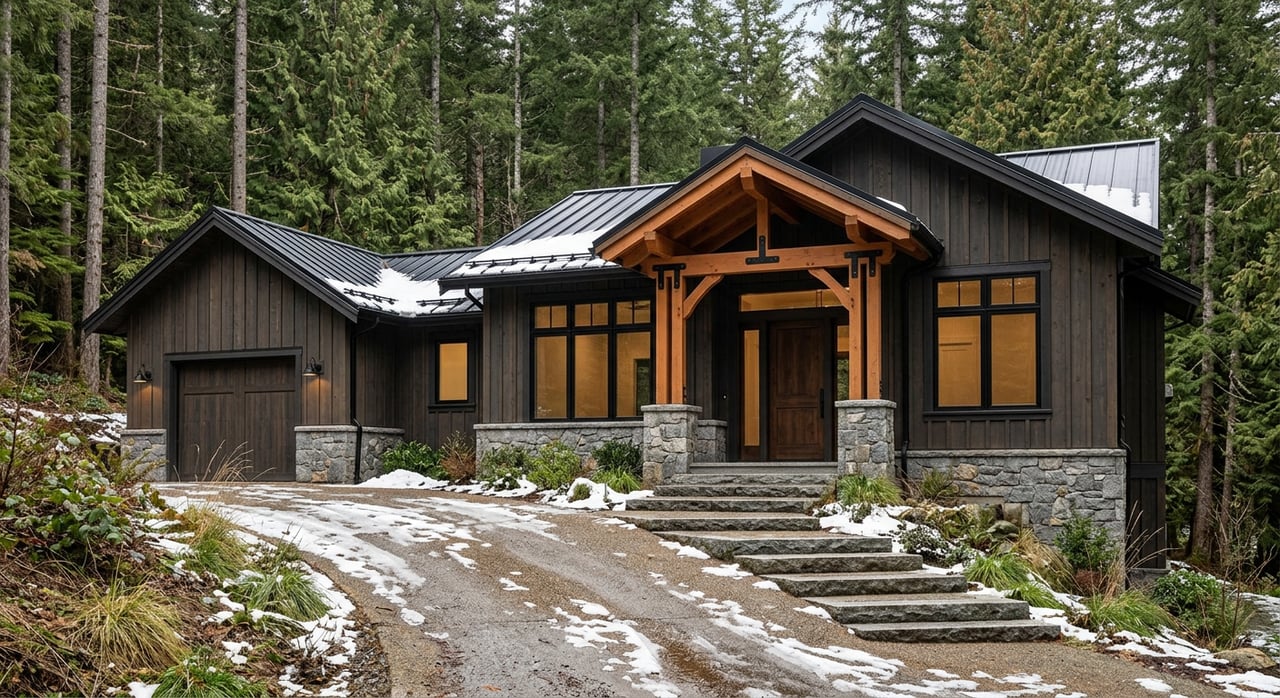
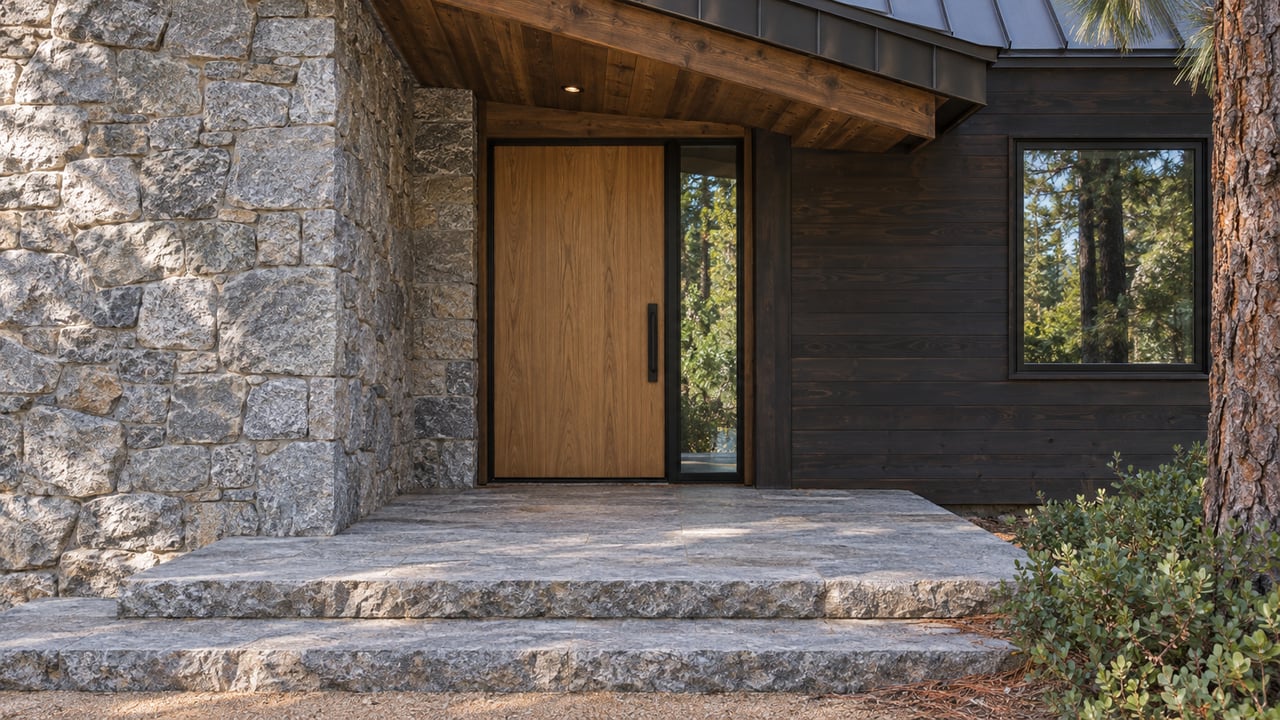
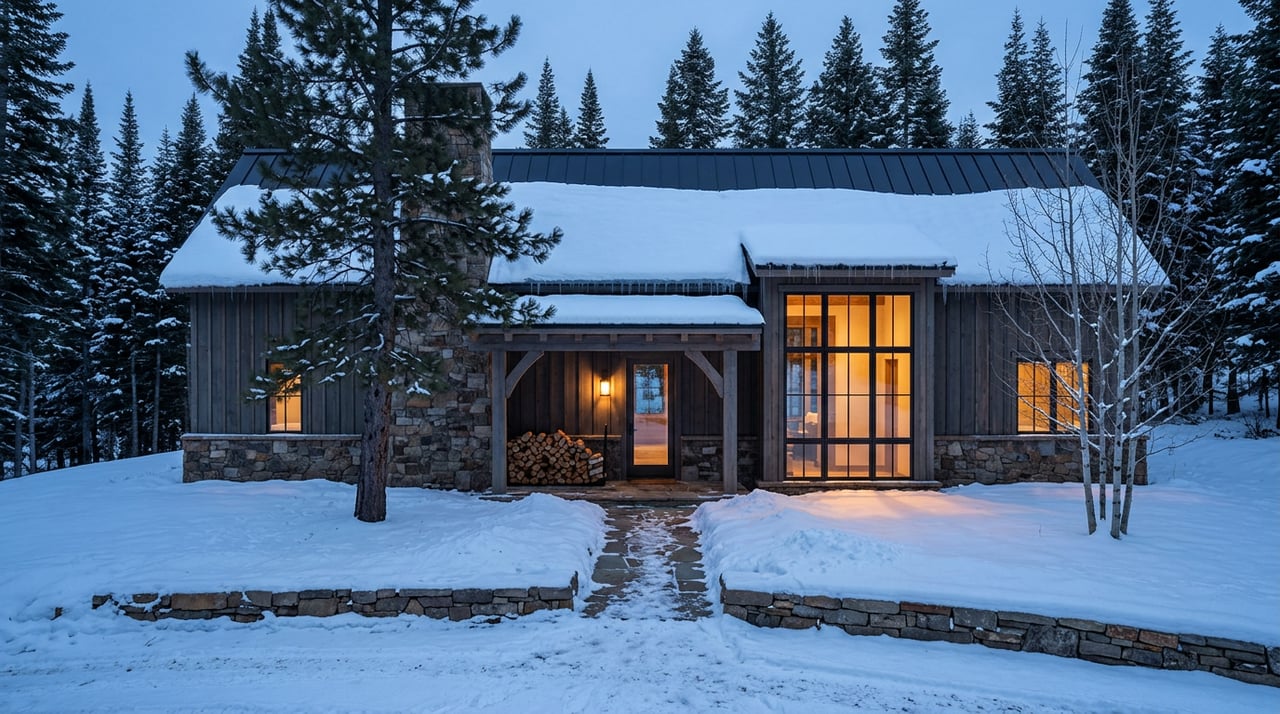
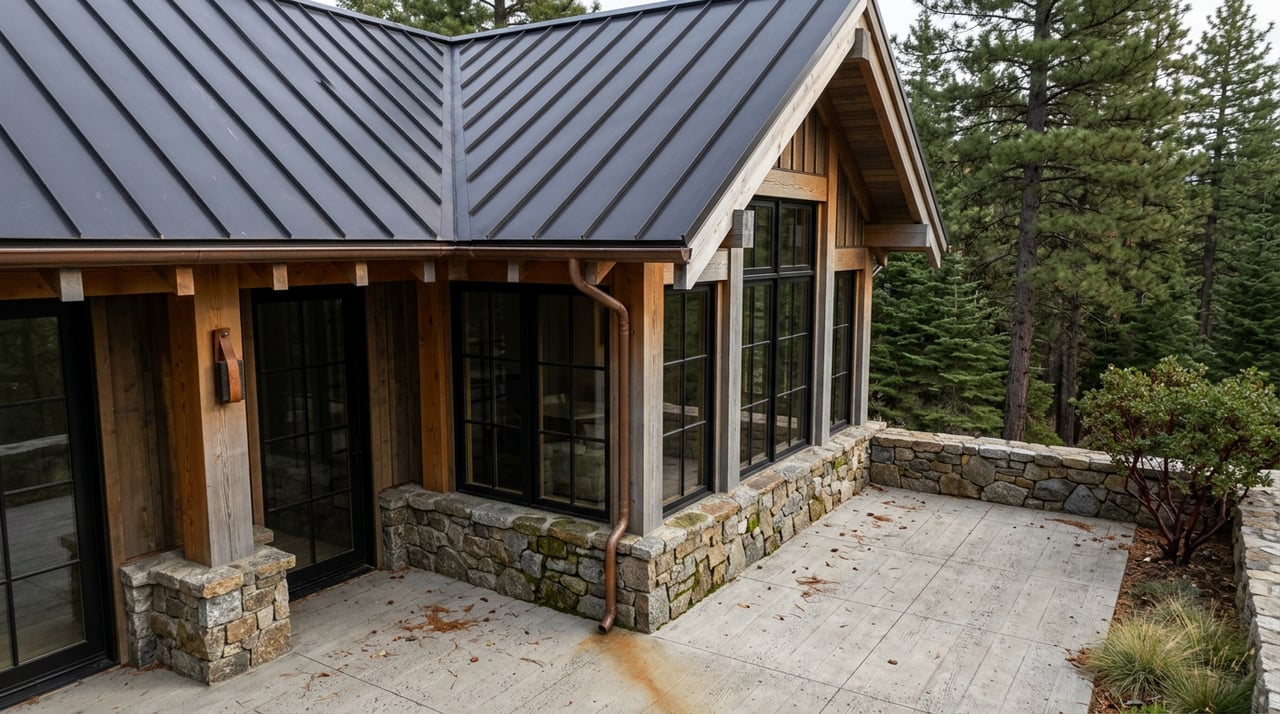
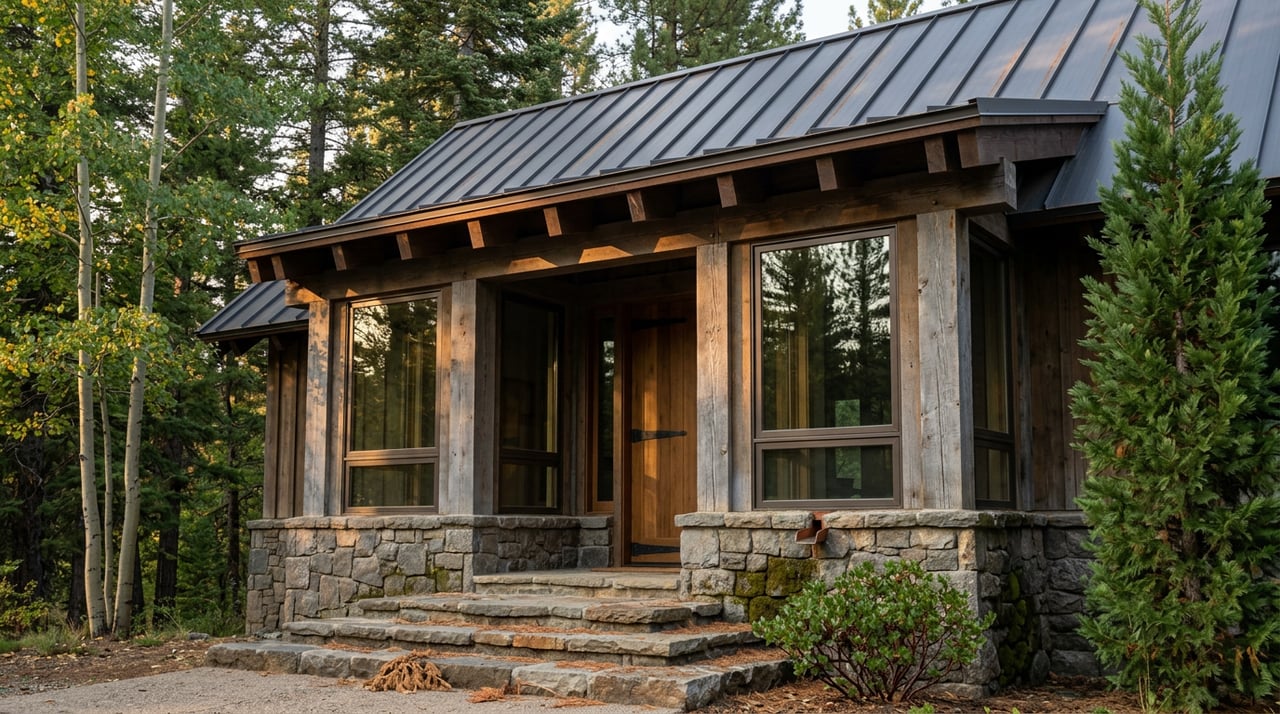
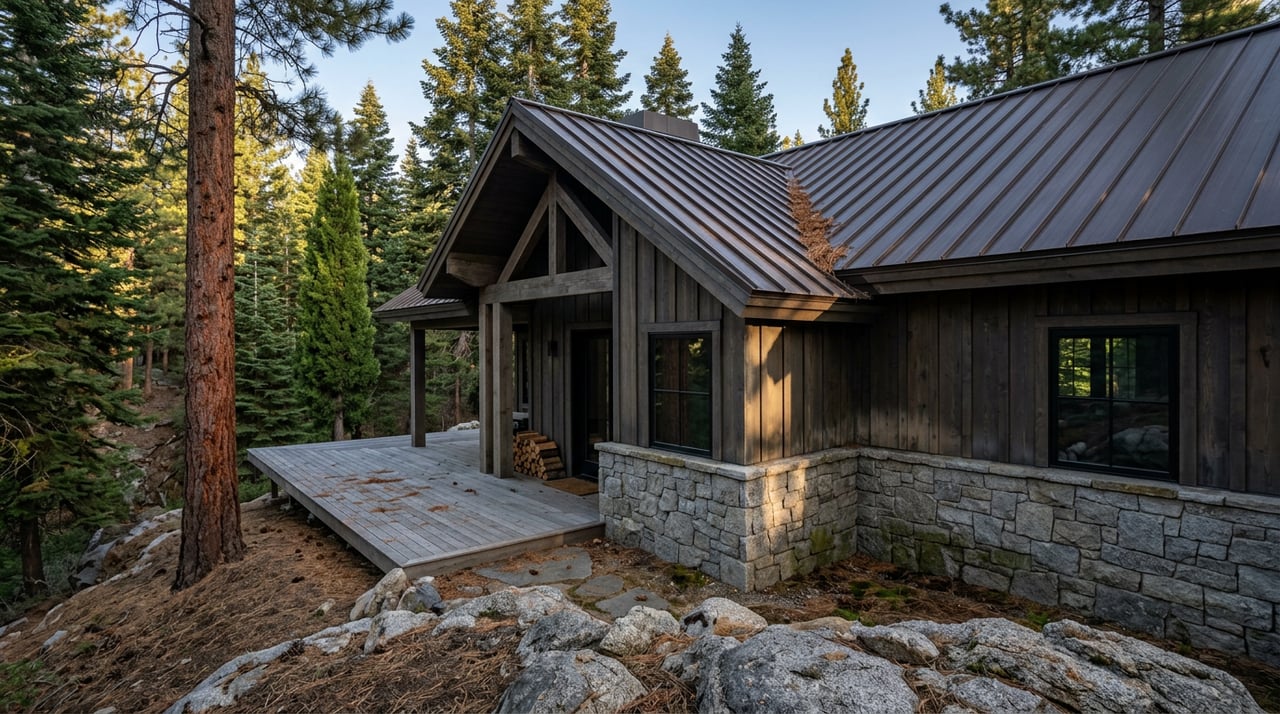
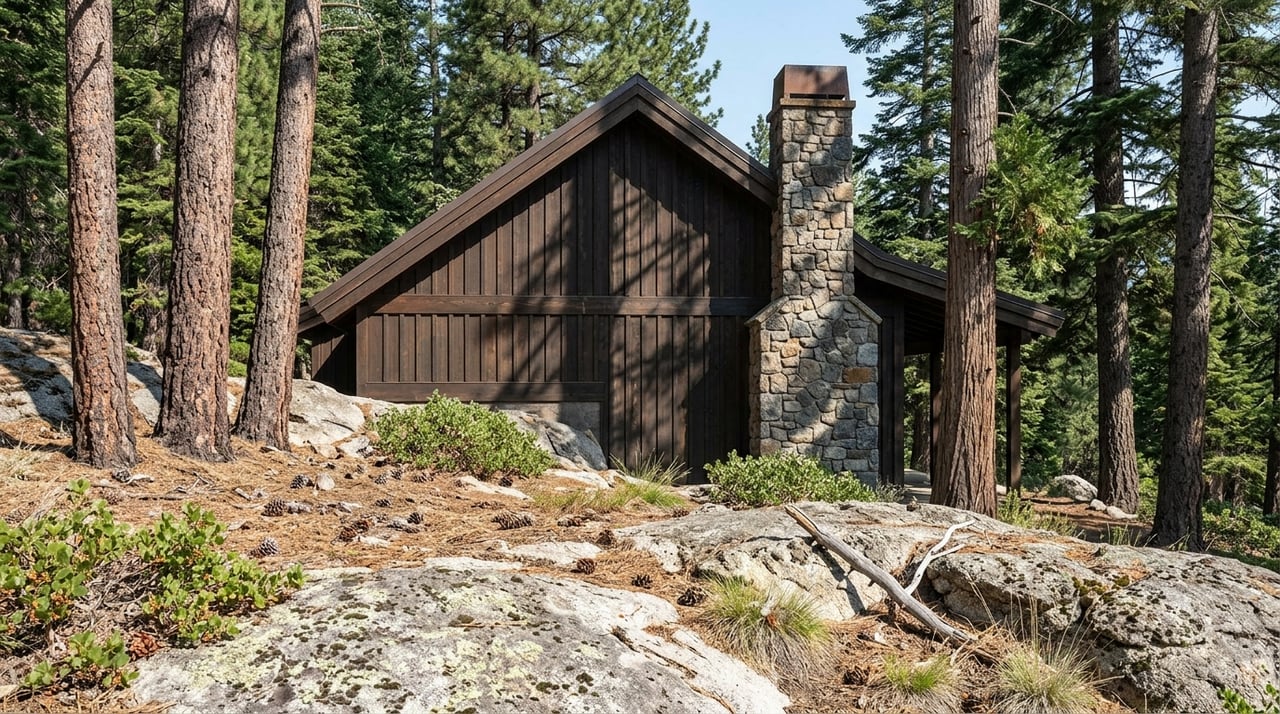
You will see a mix of compact single-family cabins, mid-century cottages, and larger lakefront estates, with many homes tucked among the pines and oriented to views rather than big yards. Interiors often lean warm and wood-forward, with vaulted beams and generous decks to catch the afternoon light. Lakefront parcels command a significant premium and sell less frequently, while inland streets in places like Tahoma and Homewood offer more price variety and turnover.
If you are shopping lakefront or planning any shoreline use, get your paperwork path set early. A smart due diligence file typically includes:
For a practical checklist of lakefront closing items, review this overview of shoreline title, moorings, BMPs, and septic considerations used in West Shore transactions (selling a lakefront in Meeks and Rubicon).
Parts of the West Shore lie in Placer County, while the stretch south toward Meeks Bay and Rubicon sits in El Dorado County. Rules and permit caps differ by jurisdiction, so confirm your parcel location first.
Plan to verify permit availability before underwriting any rental income.
A great West Shore purchase balances lifestyle and logistics. Start by mapping your priorities around marina access, trail proximity, and winter drive times. Then layer in the financial reality of shoreline rules, maintenance, and any rental goals.
As your advisor, we recommend you:
Ready to see how the classic Tahoe lifestyle fits your goals on the West Shore? Connect with Lindsay Buchanan for a tailored, finance-first plan and on-the-water insight that saves you time and strengthens your offer.
Stay up to date on the latest real estate trends.
As your trusted real estate expert, I’m here to help you navigate property transactions with ease. I focus on understanding your unique needs to ensure a smooth buying or selling experience, always striving to achieve the best results for you.