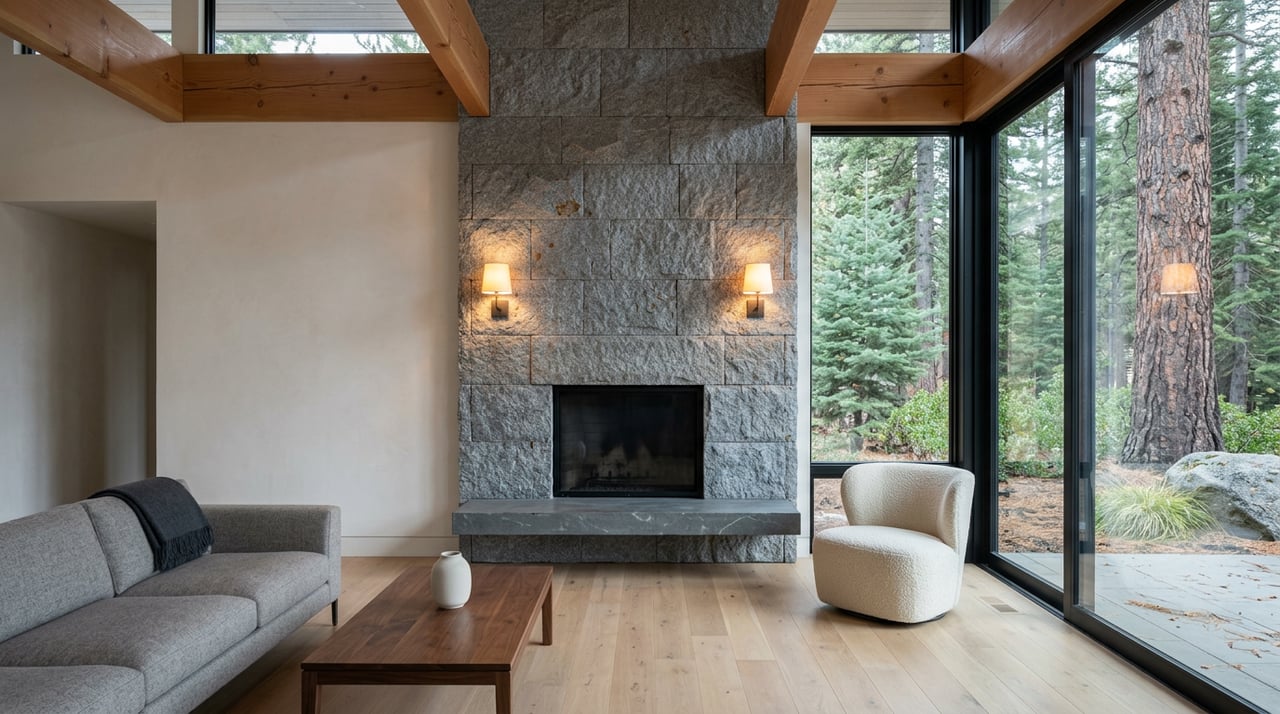
North Lake Tahoe Second Home Guide for Smart Buyers
March 5, 2026
March 5, 2026
Dreaming about a lake escape you can actually use year-round? North and West Lake Tahoe offer that rare mix of clear water, four seasons of play, and easy access from major hubs. If you are weighing a second home here, you likely want clean guidance on neighborhoods, rental rules, carrying costs, and how financing really works. This guide gives you a finance-first roadmap so you can move from idea to action with confidence. Let’s dive in.
North and West Lake Tahoe inside Placer County include Kings Beach, Tahoe Vista, Carnelian Bay, Dollar Point, Tahoe City, and pockets of the West Shore like Homewood. These areas offer classic shorelines, trail access, and nearby ski resorts. For many Bay Area owners, the typical use case is a blend of summer lake time and winter ski weekends.
Travel is straightforward. Reno–Tahoe International Airport is the closest major option, often a 45 to 75 minute drive depending on your exact destination and road conditions. For context on timing and seasonal flow, review the region’s North Lake Tahoe travel and seasonality details.
Winter conditions change fast. California uses three chain-control levels, R-1, R-2, and R-3. Check Caltrans chain control guidance on your travel day and be realistic about driveway grades and parking.
Ski access is convenient from much of the North Shore. Northstar and Palisades Tahoe are often a 20 to 40 minute drive depending on traffic and snow.
Kings Beach centers classic sandy shoreline with a walkable commercial strip and a broad mix of condos and homes. It is beach-forward and lively in summer. If you want easy access to cafes and frequent beach time, keep Kings Beach on your list.
These pockets feel a bit more residential and wooded, with a blend of lakefront estates, cabins, and condo developments. Expect varied topography, including some steeper driveways. You will find a mix of private docks and community marinas across micro-locations.
Tahoe City is a services hub with restaurants, shops, trail access, and municipal utilities. Dollar Point and West Shore pockets like Homewood read quieter and more residential. In the Tahoe City area, water, sewer, and parks are commonly managed by the local utility district.
If you plan to rent, start here. Placer County requires a permit to operate a short-term rental on the North and West Shores and has capped the total available permits for the area at 3,900. The program includes defensible-space and fire-life-safety inspections. A recent amendment establishes a 30-night minimum rental requirement for non-owner-occupied STRs once the countywide non-owner-occupied cap is reached. Owner-occupied STRs are treated differently. Review the county’s Short-Term Vacation Rental Program overview for current status and timing.
Operational rules are actively enforced. These include occupancy limits, quiet hours, trash and bear-proof container requirements, and parking restrictions. The code outlines fines and a 24/7 complaint line. For specifics, read the county STR ordinance details.
Practical steps if STR income is part of your plan:
In Eastern Placer County, lodging stays are subject to a 10 percent Transient Occupancy Tax. Many North Lake Tahoe areas also have a 1 to 2 percent TBID assessment that funds local visitor services. Hosts must register and remit taxes, and platform collection can vary. See the county’s TOT and TBID guidance to confirm your zone and obligations.
If you are buying on or near the water, shoreline changes are not a do-first, ask-later situation. Piers, moorings, impervious coverage, and other shorezone work are regulated. New shorezone structures involve allocations and priority systems. Always confirm development rights, coverage bank needs, and past permits. Start with the TRPA Shoreline Plan resources.
Water, sewer, and parks across Tahoe City and parts of the West Shore are often managed by the Tahoe City Public Utility District. Other areas may have different districts, mutual systems, or private septic. Before you offer, verify whether the property is on municipal water and sewer, any connection fees, and winterization guidance. See TCPUD’s owner resources to understand services in their area.
Parts of the Tahoe Basin map to higher fire hazard designations, which can affect both insurance availability and cost. Review local mapping and plan for defensible space maintenance. Some owners end up with the California FAIR Plan or surplus-market policies if standard carriers decline. Check Placer County’s Fire Hazard Severity Zone information and the Department of Insurance’s FAIR Plan guidance as you evaluate options.
Advice for buyers: confirm insurance availability and estimated premiums for the specific address before you submit an offer. Work with an insurance broker who knows Tahoe properties.
Most conventional lenders follow Fannie Mae guidelines for occupancy. A second home is a one-unit property you will occupy for part of the year, suitable for year-round use, and not controlled by a management agreement. If the lender classifies your use as an investment, the loan terms change. Read the Fannie Mae occupancy definition as a baseline.
Practical points to discuss early with your lender:
Annual costs vary by address, utilities, and service level. Build a budget that captures these line items:
Use this quick worksheet to see how carrying costs compare to potential rental income. These are illustrative fields you can replace with your own quotes.
Monthly carrying costs (example placeholders):
Revenue sensitivity (enter your own expected net average nightly rate after fees):
This approach helps you see how occupancy and pricing must align to cover costs. It also highlights how STR caps, minimum-stay rules, and seasonal demand shape outcomes. Always validate permit status, realistic occupancy, and who remits TOT and TBID before you rely on rental income.
Use this list to frame your research before you write an offer. Confirm items with the named agencies and on official sites.
Build contingencies that reflect mountain homes and optional rental plans:
After closing, set up operations so your home is safe and streamlined.
You want a Tahoe base that supports your lifestyle and makes financial sense. We pair on-the-ground neighborhood insight with a finance-first process to help you do both. From curated searches and video walkthroughs for remote decision-making to clear negotiation strategy and access to exclusive or off-market opportunities, you get boutique representation backed by Sierra Sotheby’s global reach.
If a second home in North or West Lake Tahoe is on your horizon, let’s talk about your use case, budget, and timing. We will map the neighborhoods that fit, outline the true cost to carry, and design a clean due-diligence path so you can focus on enjoying the lake.
Ready to take the next step? Connect with Lindsay Buchanan to start a plan that fits your life.
Stay up to date on the latest real estate trends.
As your trusted real estate expert, I’m here to help you navigate property transactions with ease. I focus on understanding your unique needs to ensure a smooth buying or selling experience, always striving to achieve the best results for you.