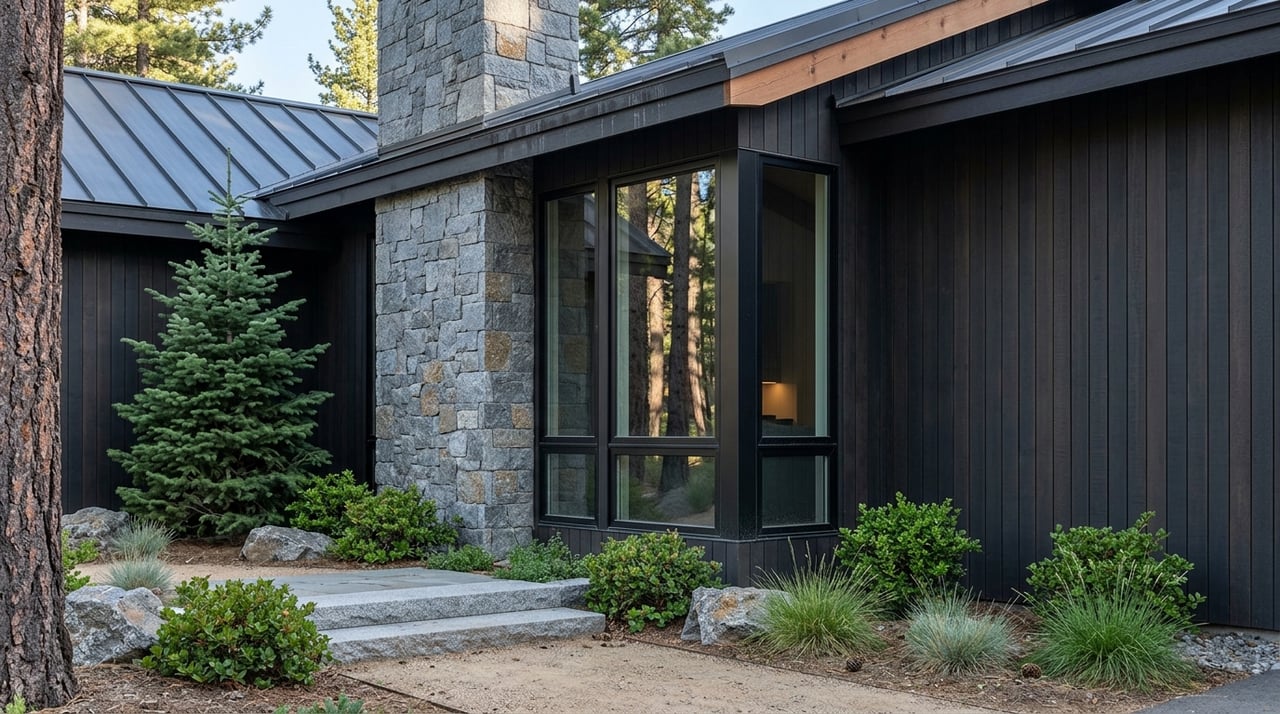
Truckee Real Estate Investment Outlook for Long-Term Buyers
July 23, 2026
July 23, 2026
What if the right mountain home is not just a retreat, but a smart long-term hold? If you are thinking about buying in Truckee, you are likely weighing lifestyle, flexibility, and the bigger financial picture all at once. The good news is that Truckee offers a distinct mix of limited growth, four-season appeal, and multiple ownership paths. The key is understanding what kind of portfolio role a home here can realistically play. Let’s dive in.
Truckee is not a typical full-time residential market. Town data shows a population of 16,778, 13,883 housing units, and a 50.6% vacancy rate, which the Town says is mainly driven by second-home ownership. That does not automatically make every purchase a great investment, but it does tell you the market behaves differently than a standard suburban town.
For many buyers, that matters because your competition, resale timing, and holding strategy may look different here. You are often buying into a place where personal use and seasonal occupancy are a major part of the market story. In practical terms, that can support a long-horizon approach more than a quick cash-flow mindset.
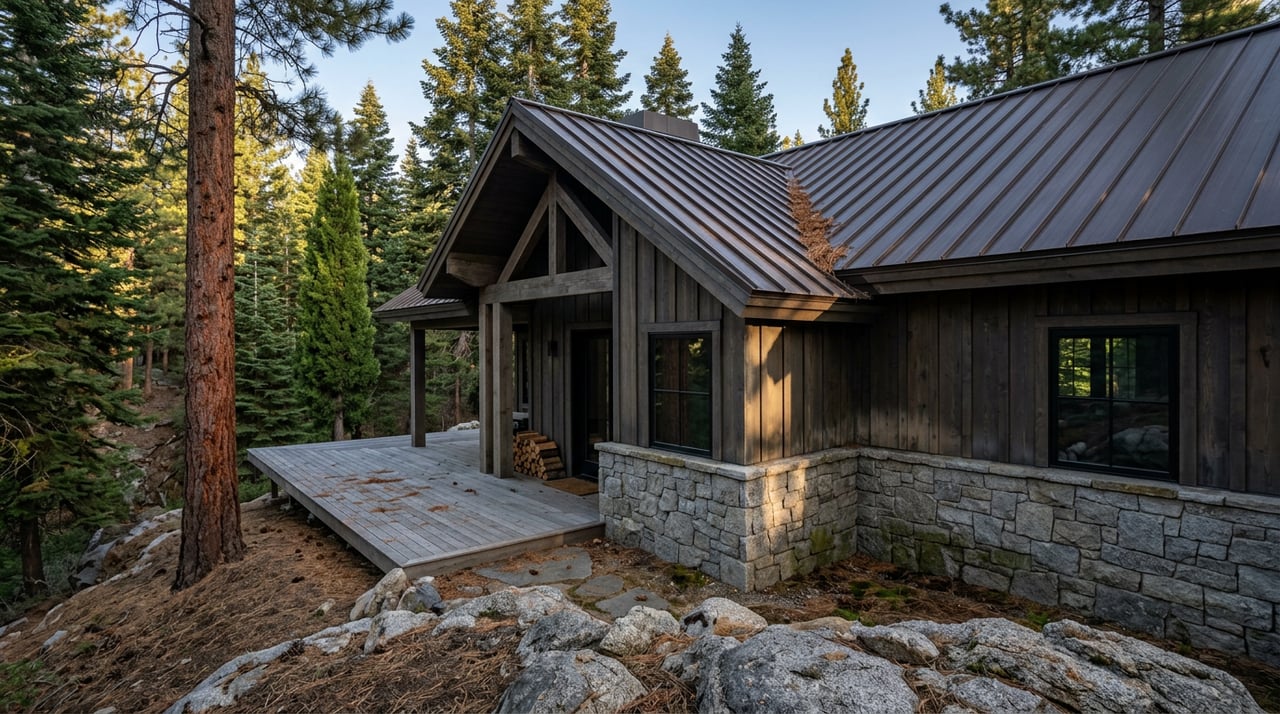
Truckee’s appeal starts with lifestyle, but the long-term case goes beyond scenery. The Town describes Truckee as a four-season destination with skiing, hiking, mountain biking, Donner Lake access, and the Legacy Trail. That kind of year-round use gives many buyers more than one reason to hold a property over time.
The location also supports broader demand. Truckee is about 12 miles north of Lake Tahoe and 30 miles west of Reno, and the Town identifies it as an employment and business hub for the North Tahoe area. It is also a key tourist destination and a place people want to live, work, and visit.
That mix matters if you are thinking strategically. Markets tied only to one seasonal use can be more fragile. Truckee still depends heavily on tourism, but the Town is also working to diversify its economy, including support for a year-round industrial sector that provides jobs and livable wages.
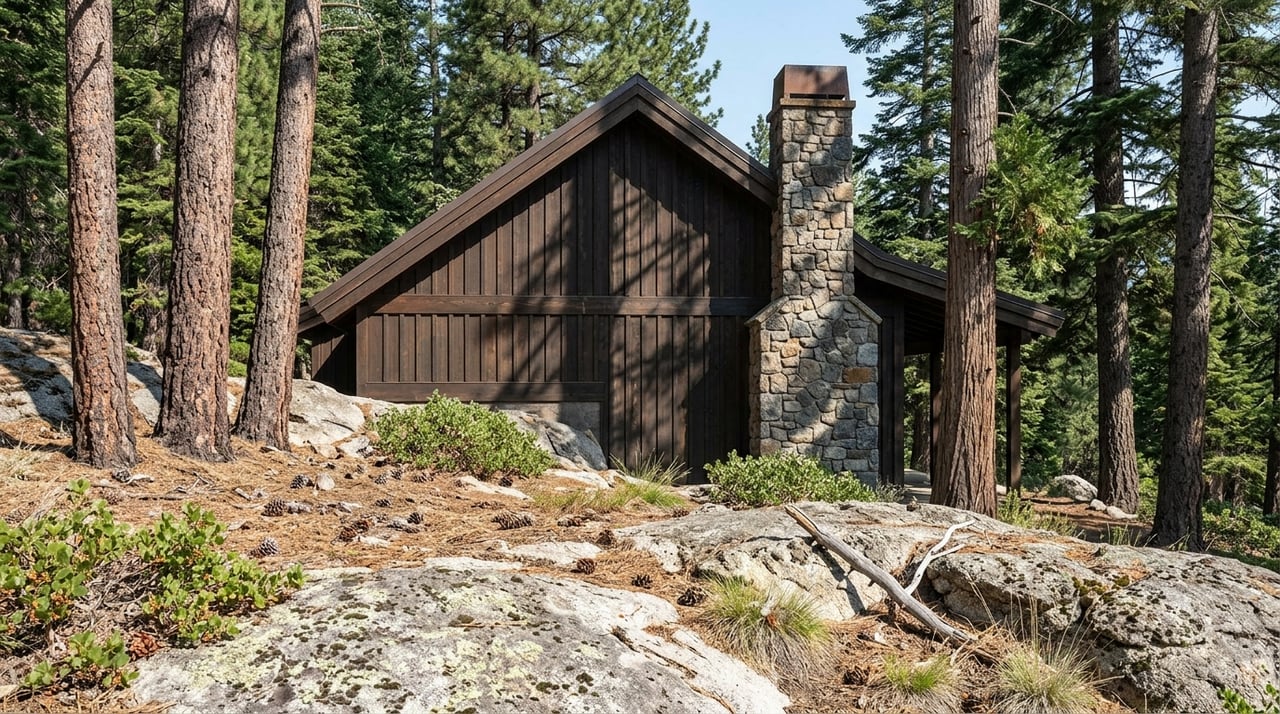
One of the strongest long-term arguments for Truckee is limited outward growth. The Town’s 2040 General Plan says Truckee’s character is shaped by mountain vistas, open space, and recreation lands. It also states that growth should be concentrated in previously developed areas instead of expanding outward into open-space land.
That does not guarantee appreciation, and no market works in a straight line. Still, when a town actively protects open space and channels growth carefully, supply can remain relatively constrained over time. For buyers building a long-term portfolio, that type of planning framework may support the case for holding rather than flipping.
Before you buy, it helps to be clear about how you want the property to function. In Truckee, most buyers are looking at one of three basic models.
For many owners, Truckee works best as a personal retreat with long-term value potential. You get direct lifestyle use now, while also owning in a market shaped by limited growth and strong destination appeal. This model often makes the most sense if rental income would be a bonus rather than a requirement.
Truckee allows short-term rentals, but they are regulated. The Town defines a short-term rental as a stay of less than 31 continuous nights, requires an annual transient occupancy registration certificate, and says there is a cap of 1,255 certificates.
Owners also need to remit transient occupancy tax quarterly and comply with local rules. The Town says the total guest levy increases to 14% effective July 1, 2026, and that owners are responsible for remitting TOT rather than relying on booking platforms. If you are underwriting a purchase based on short-term rental income, those rules should be central to your decision.
If a property is rented for 31 nights or more, the Town says it is exempt from the short-term rental ordinance and does not need to remit TOT. That creates a very different operating model from a vacation-rental strategy. It may be simpler from a regulatory standpoint, even if the income profile differs.
Truckee’s housing efforts also show that long-term rentals matter locally. The Town’s Lease to Locals program says it has converted more than 200 residences to long-term rentals, housing more than 500 Truckee residents. That does not tell you what your return will be, but it does point to ongoing local demand for longer-term housing.
In Truckee, the most durable portfolio logic is often not pure investment. Instead, it is a hybrid approach: personal use first, optional rental income second, and long-term scarcity as the deeper reason to own. That framework lines up with the Town’s planning policies and with the second-home character reflected in local housing data.
This matters because it keeps your expectations grounded. If you need a property to perform like a purely income-driven asset from day one, Truckee may feel complicated. If you value access, flexibility, and a longer holding period, the market may fit your goals much better.
A finance-first decision means looking hard at risk, not just upside. Truckee offers real advantages, but mountain ownership comes with real complexity.
The Town treats wildfire, evacuation, and climate resilience as material planning issues. Its 2040 General Plan includes policies on climate change, fuel reduction, fire prevention, and evacuation. The Town’s emergency planning resources include an Evacuation Annex, an Alert and Warning Annex, and the 2024 Community Wildfire Protection Plan.
For you as a buyer, this means wildfire readiness should be part of diligence, not an afterthought. You will want to understand the property’s setting, access, and how local planning priorities may affect ownership over time.
Short-term rental rules are not background details in Truckee. Certificate caps, tax obligations, and operating requirements can shape whether a property fits your intended use. If your plan depends on seasonal rental income, confirm how the current rules apply before you make assumptions.
A property used only as a second home may be treated differently than one used as a rental or mixed-use property. The IRS says tax rules can change when a dwelling is used both personally and as a rental. Before you buy, it is wise to confirm the implications with a CPA or tax attorney based on your intended use.
If you are seriously considering Truckee, ask yourself a few direct questions:
These questions can help you avoid forcing the wrong investment framework onto the right lifestyle market. In Truckee, clarity of purpose matters as much as price.
A Truckee home may belong in your long-term portfolio if you value regular personal use, understand the operating realities of a mountain town, and see rental income as helpful but not essential. The case is strongest when your goals match the market’s structure. That usually means a lifestyle-driven purchase with disciplined expectations and a longer time horizon.
It may be a weaker fit if you are looking for a simple, high-certainty cash-flow story. Truckee’s managed-growth environment, second-home profile, and regulated short-term rental landscape suggest a more nuanced ownership thesis. In many cases, the smartest buyers here are the ones who buy with both heart and discipline.
If you want help evaluating whether a Truckee property fits your long-term goals, Lindsay Buchanan offers finance-first guidance, local market insight, and high-touch support for buyers exploring second homes, lifestyle properties, and investment opportunities.
Stay up to date on the latest real estate trends.
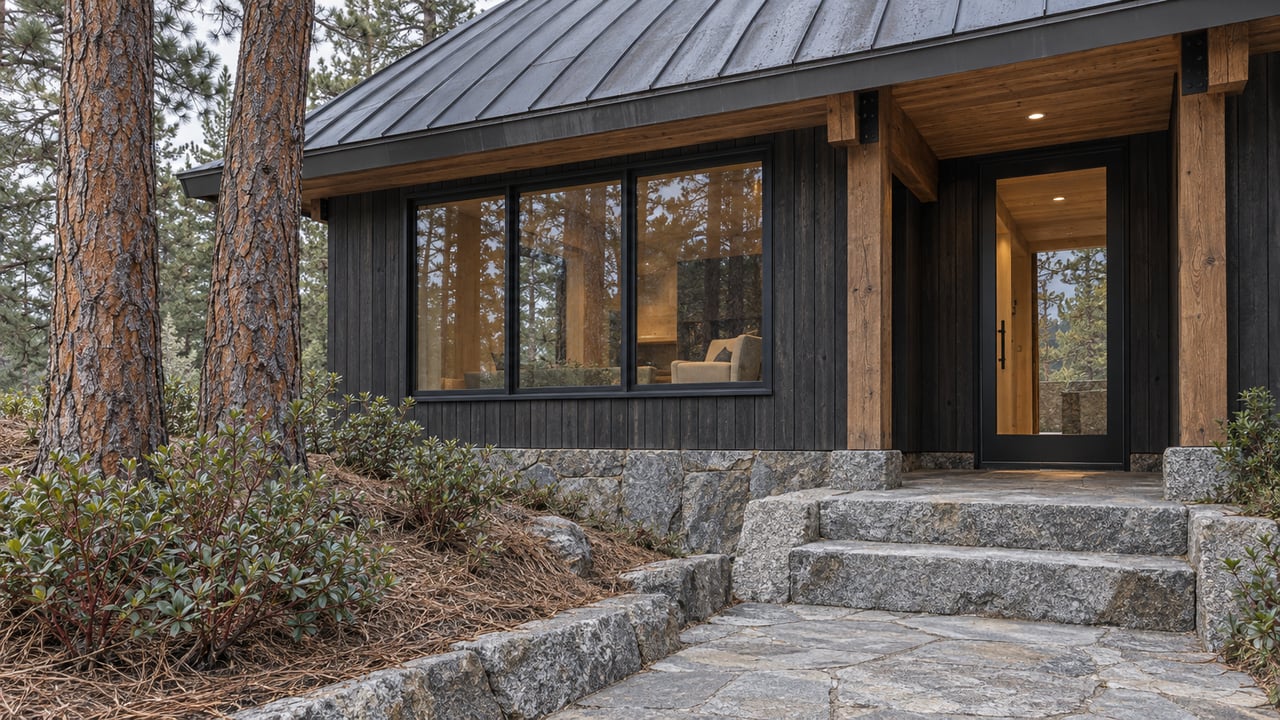
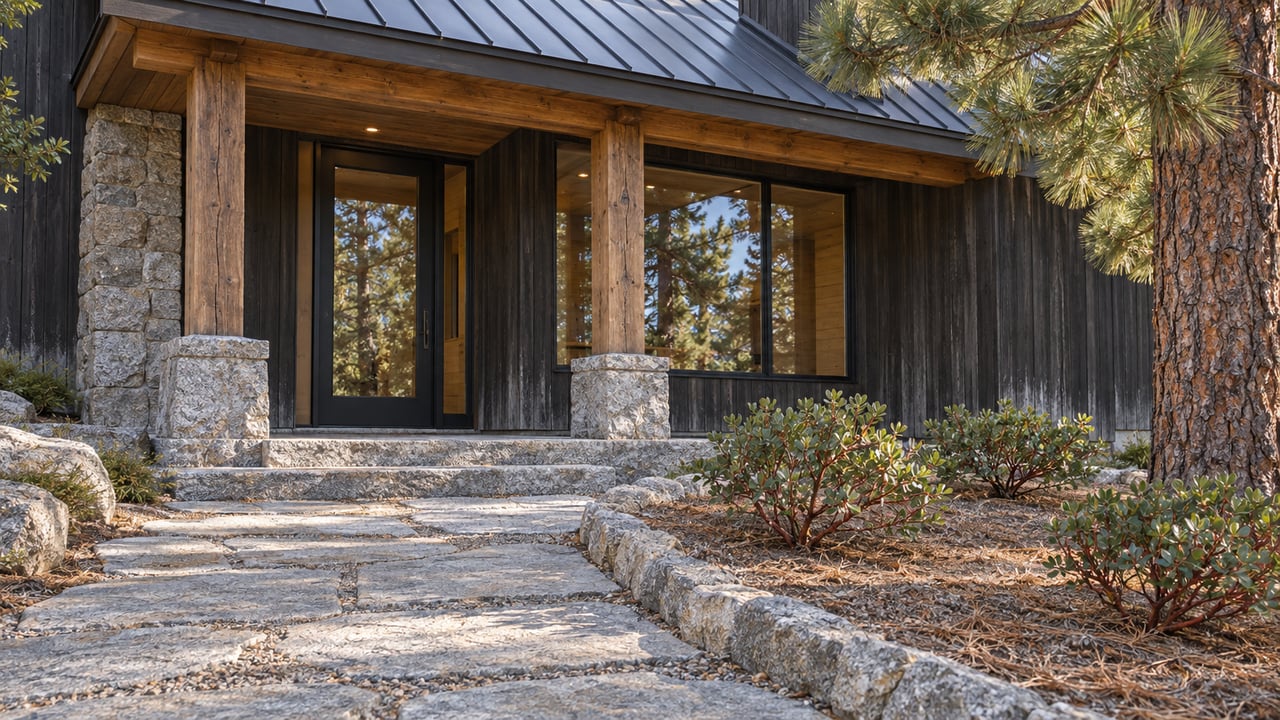
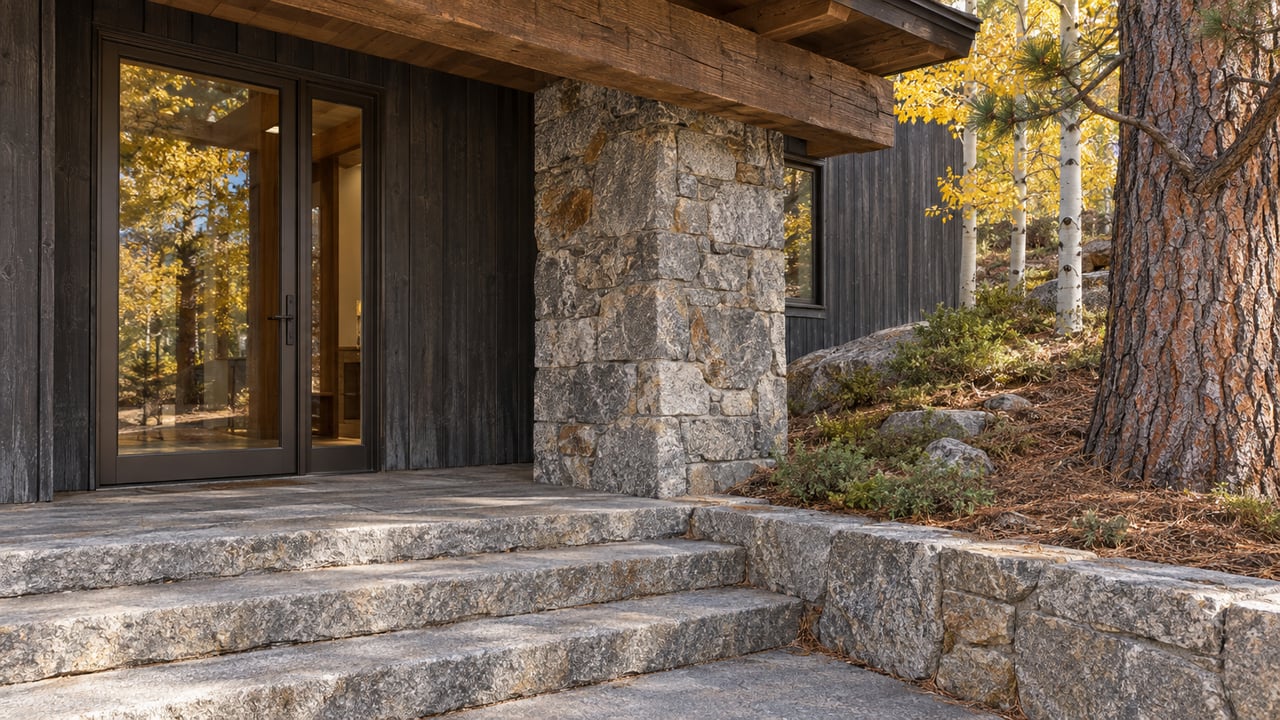
As your trusted real estate expert, I’m here to help you navigate property transactions with ease. I focus on understanding your unique needs to ensure a smooth buying or selling experience, always striving to achieve the best results for you.