Preparing A North Lake Tahoe Cabin For Today’s Buyers
June 18, 2026
June 18, 2026
What makes a North Lake Tahoe cabin stand out today? It is rarely just square footage or a bedroom count. In a lifestyle market shaped by forest, lake access, trails, and year-round recreation, buyers want a home that feels easy to enjoy, easy to understand, and thoughtfully maintained. If you are getting ready to sell, the right preparation can help your cabin connect faster and more clearly with today’s buyers. Let’s dive in.
In North and West Lake Tahoe, buyers are not only comparing homes. They are comparing experiences. Placer County describes the Tahoe area as a place defined by beaches, trails, forests, and the lake itself, so your listing needs to communicate both the home and the setting.
That matters even more because most buyers start their search online. Research shows that photos are the most useful website feature for nearly nine in 10 buyers age 58 and under, and buyers use both mobile devices and desktop searches in almost equal measure. In practical terms, your first listing images need to work quickly and look great on a phone.
A well-prepared Tahoe listing should answer a few questions almost immediately. What does the home feel like inside? What can you do right outside the door? How close are you to the lake, a beach, or the trail network?
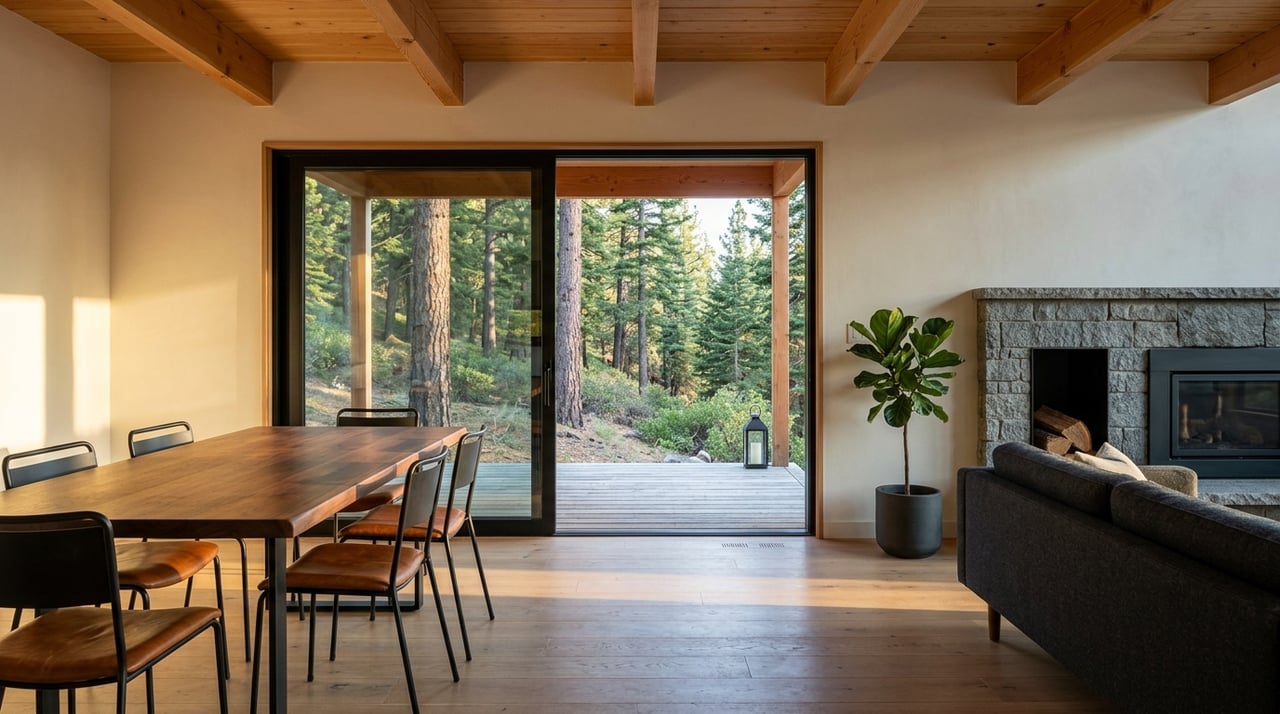
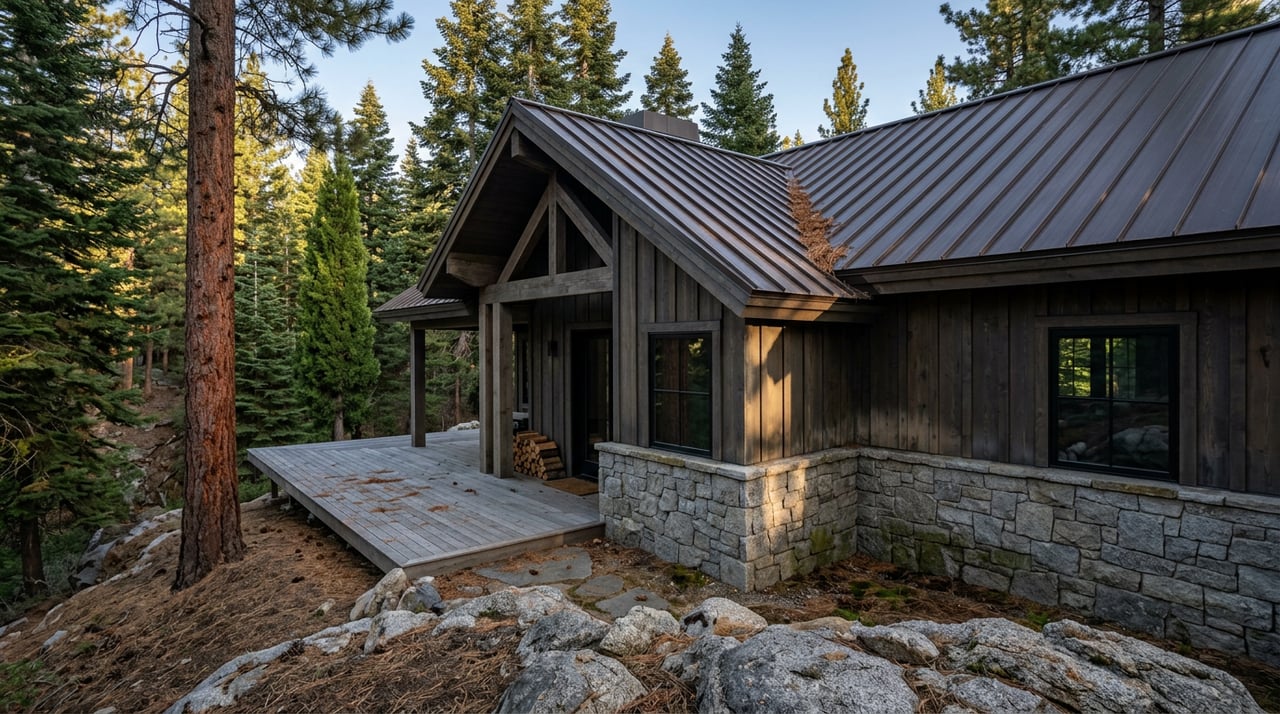
This does not mean over-selling the lifestyle. It means presenting the home in a way that helps buyers understand daily use. A deck framed by trees, a mudroom or gear area, a welcoming fireplace, and practical parking all help tell the story of how the property lives in every season.
Before you think about bigger upgrades, focus on the basics that consistently matter most. Staging research points to a familiar group of improvements: decluttering, whole-home cleaning, curb appeal, minor repairs, and professional photography.
For many Tahoe sellers, this is good news. You often do not need a major remodel to make a stronger impression. Simple preparation usually does more for buyer confidence than expensive work that does not fit the home or the market.
Cabins can collect a lot over time, especially when they have been loved for years by family and guests. Extra furniture, seasonal gear, wall decor, and personal items can make rooms feel smaller and visually busy.
Your goal is to create breathing room. Buyers should be able to picture themselves relaxing in the great room, hosting in the dining area, or coming back from the lake and having a clear place to drop towels, boots, or skis.
A full cleaning matters because buyers notice details quickly, especially in online images. Windows, floors, kitchen surfaces, bathrooms, stone hearths, and wood trim all need to feel fresh and cared for.
In a mountain home, dirt and wear can read as neglect if they are left unaddressed. A clean cabin feels brighter, lighter, and more move-in ready, even when the finishes are not brand new.
Minor repairs often carry more weight than sellers expect. Loose hardware, chipped trim, sticking doors, worn caulk, and dated light fixtures can make a cabin feel more tired than it really is.
These are the kinds of details buyers absorb as signs of maintenance. Taking care of them before listing helps support a smoother, more confident first impression.
Not every room needs the same level of attention. Staging data shows that the living room, primary bedroom, dining room, and kitchen are among the spaces most often staged, and outdoor areas matter too.
In a North Lake Tahoe cabin, that usually means your priority list should include:
These spaces do the most work in photos and showings. They are also the rooms most likely to help buyers imagine weekend gatherings, holiday stays, and everyday comfort.
Many classic cabins have heavy furniture or layouts that made sense years ago but now block light or interrupt flow. Pulling out a few pieces can make a room feel larger without changing the structure.
Try to create clean walking paths and open sightlines to windows, decks, and gathering spaces. If your home has a view, even a filtered one through the trees, let buyers notice it right away.
For most cabins, the most useful pre-sale updates are cosmetic. Fresh paint, updated lighting, cleaner hardware, and repaired trim can sharpen the look of the home without changing its character.
This approach also aligns with what buyers respond to. The biggest gains often come from making the home feel clean, current, and easy to maintain rather than pushing into larger renovation projects before listing.
In this market, buyers often look beyond style. They also want signs that a property has been maintained with mountain conditions in mind.
That means your prep should include attention to wildfire readiness, drainage, and how the home sits in its natural setting. These details support both presentation and buyer trust.
Wildfire preparedness is a core issue in the Tahoe Basin and surrounding areas. Placer County says defensible space is required by law, with Zones 1 and 2 making up the 100 feet of required defensible space, and CAL FIRE emphasizes the importance of a 0-to-5-foot ember-resistant zone.
Before listing, look at the property with a buyer’s eye. Clear excess vegetation, remove obvious combustible clutter near the home, and make the overall site feel managed. Buyers may not know every technical standard, but they do notice whether a property appears cared for and responsibly maintained.
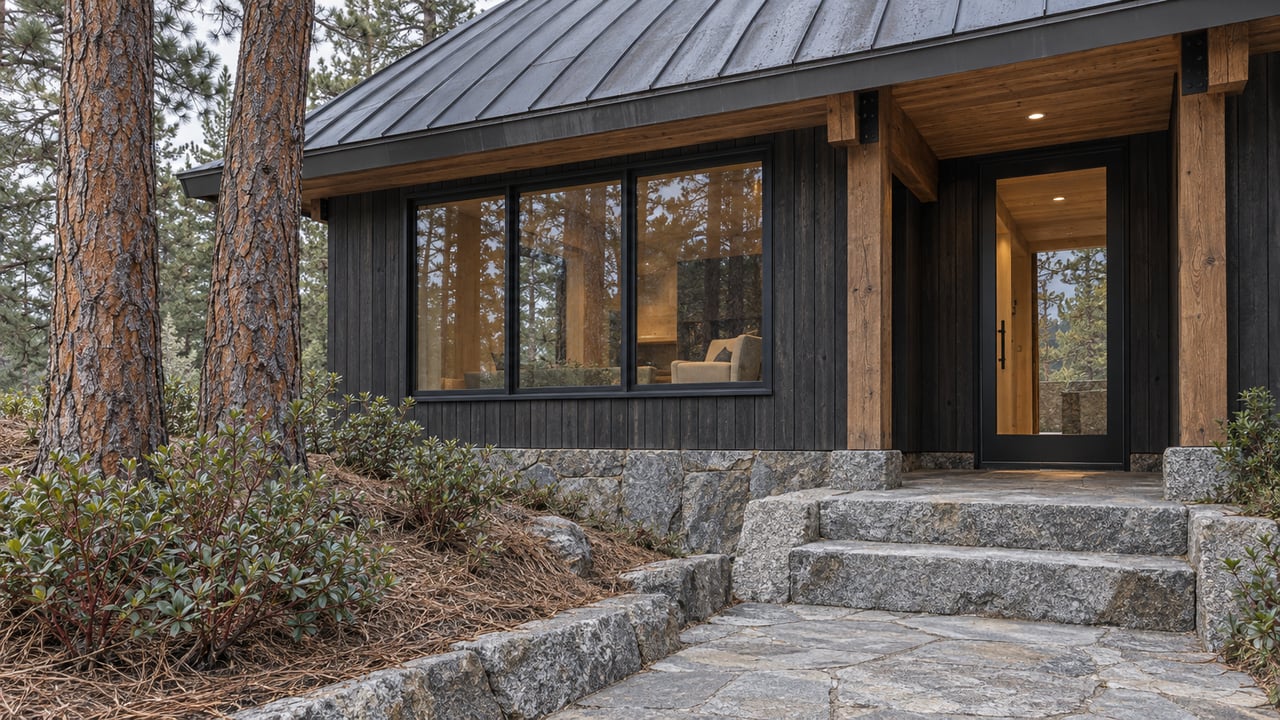
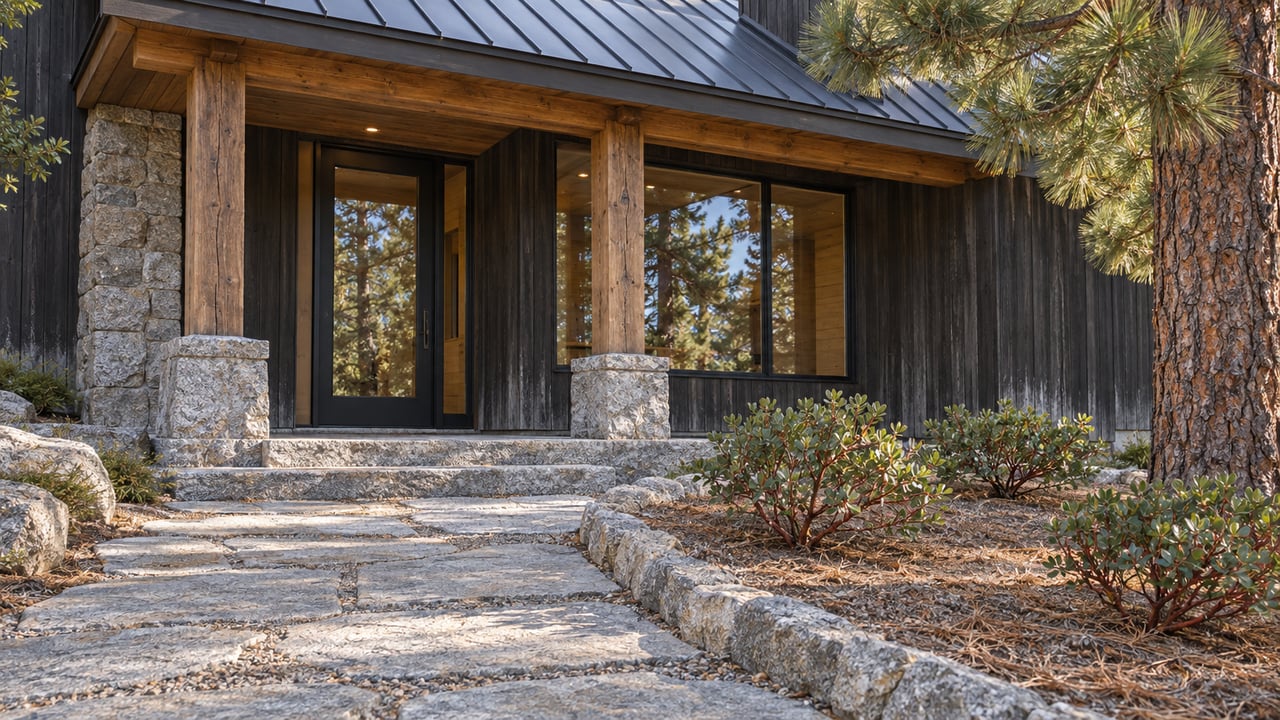
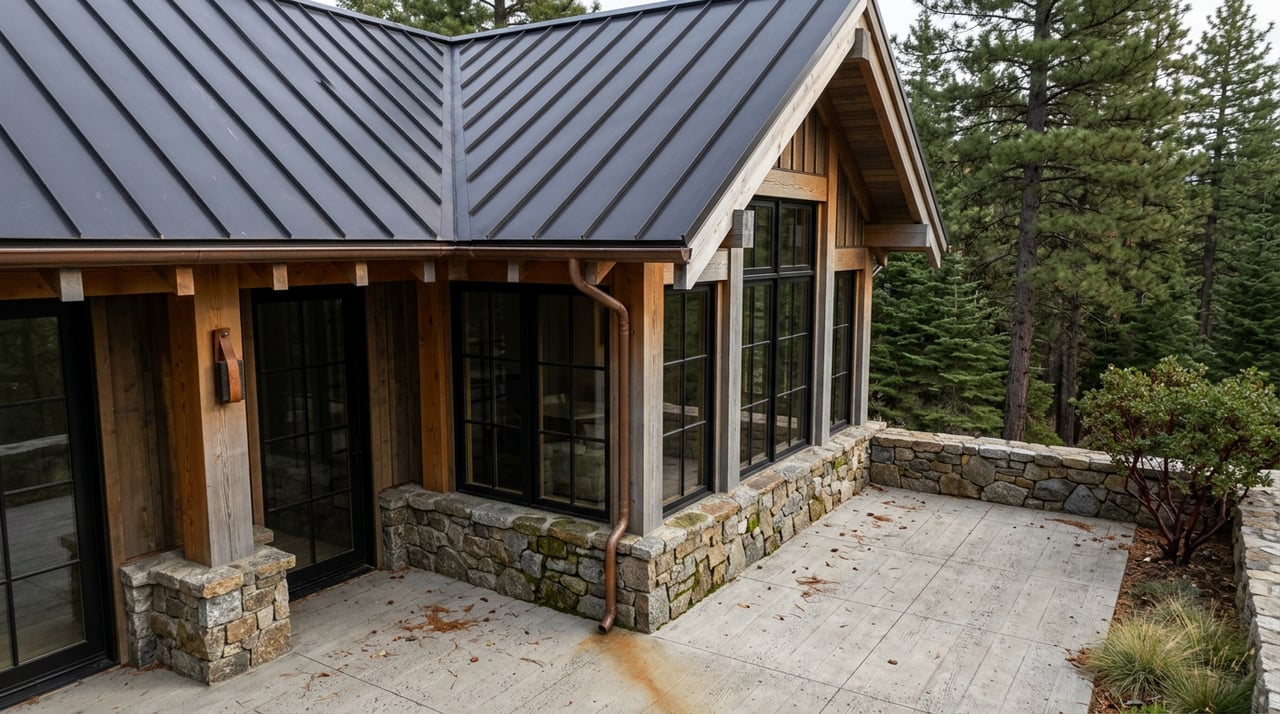
If your cabin has had practical upgrades, make sure they are presented clearly. Placer County highlights features such as ignition-resistant roofing and siding, boxed-in eaves, ember-resistant vent screening, and dual-paned windows with at least one tempered pane.
These are meaningful details in a mountain market. They may not be flashy, but they help reassure buyers that the home has been improved with long-term stewardship in mind.
In the Tahoe Basin, developed properties must install and maintain stormwater BMPs that capture and infiltrate runoff. TRPA examples include roof gutters, gravel driplines trenches, and rain gardens, and BMP status must be disclosed in a real estate transaction within 30 days of sale.
That makes basic drainage upkeep worth your attention before listing. Clean gutters, visible erosion control, and tidy runoff areas support both curb appeal and a smoother transaction conversation.
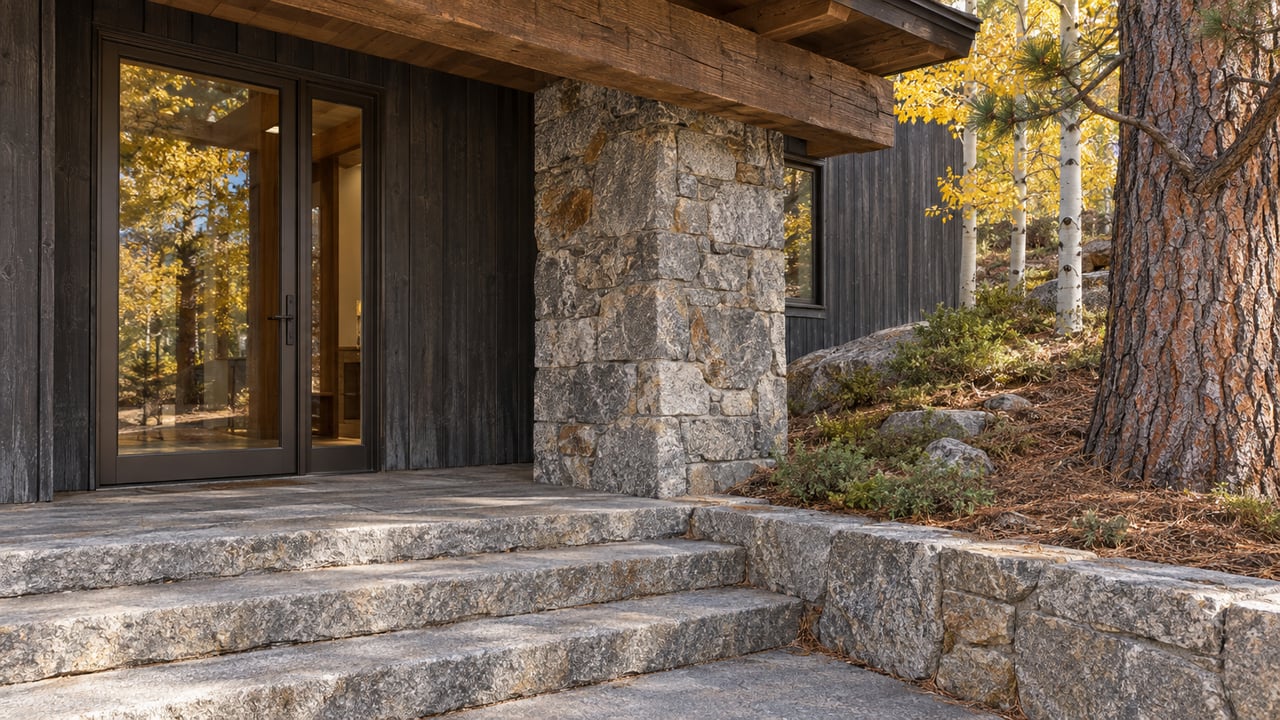
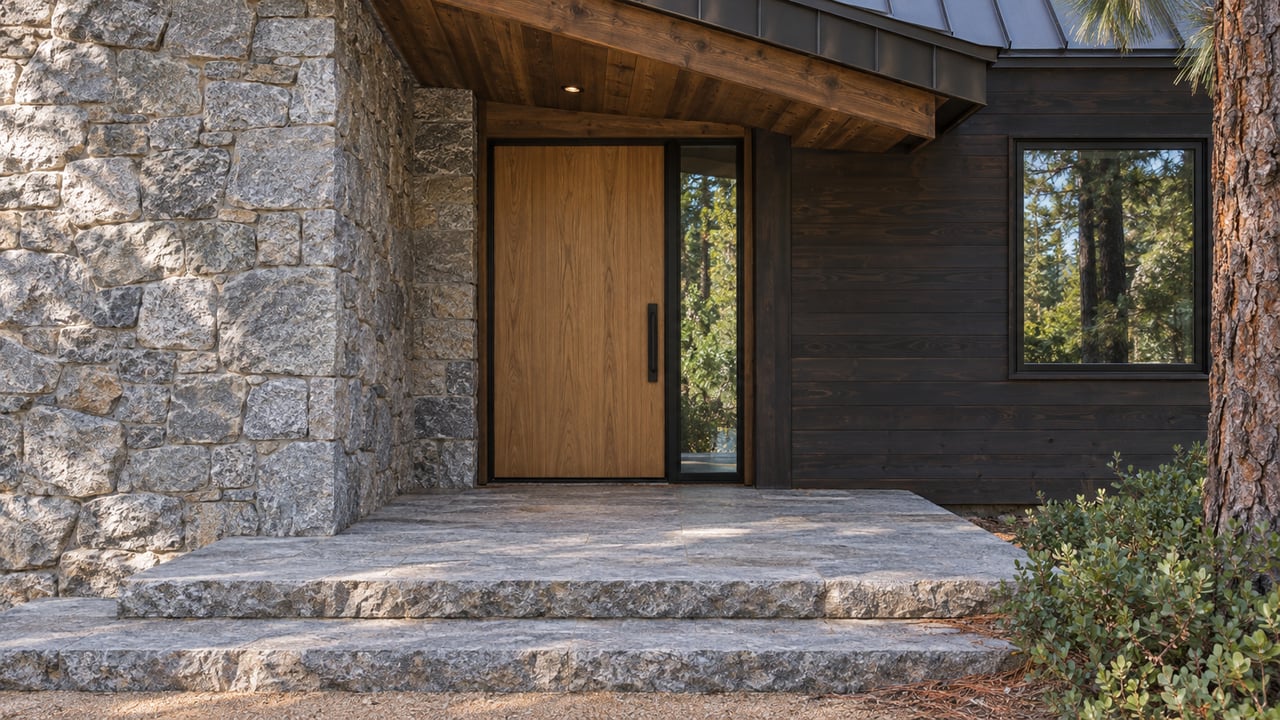
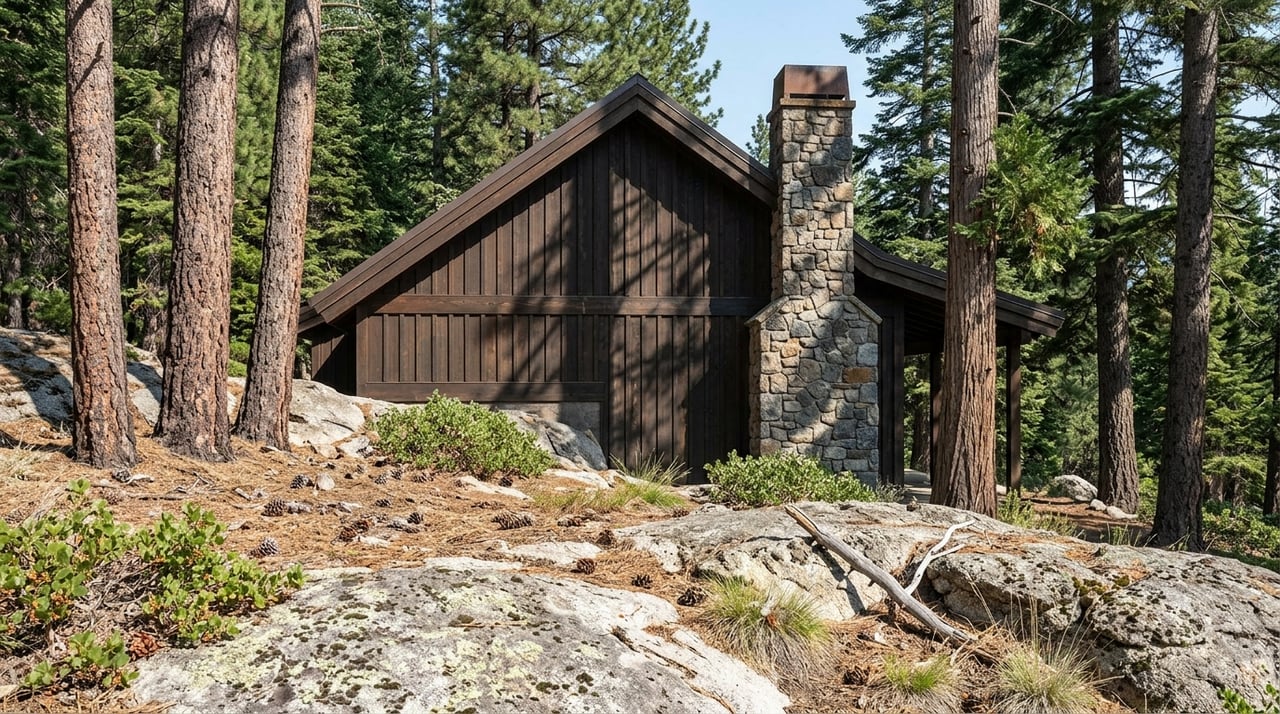
Tahoe buyers want the natural environment to feel like part of the property. TRPA scenic standards support blending structures with the landscape in visible areas, which reinforces the value of restrained exterior colors, tidy landscaping, and uncluttered outdoor spaces.
If your home is visible from a road, a scenic corridor, or nearby public areas, subtle presentation usually works best. Let the trees, topography, and architecture lead rather than crowding the exterior with too much visual noise.
Once the home is ready, the marketing package matters. Because buyers begin online and rely heavily on visuals, professional photography is not optional in this market. Neither is a polished, accurate digital presentation.
Buyers’ agents rate photos, videos, and virtual tours as especially important listing assets. That is especially relevant in North Lake Tahoe, where many buyers are searching remotely and may decide whether to book a showing based on the first few images.
Your opening images should do more than document the property. They should create orientation and emotion quickly. Think of the relationship between the home and the setting, not just the prettiest angle in isolation.
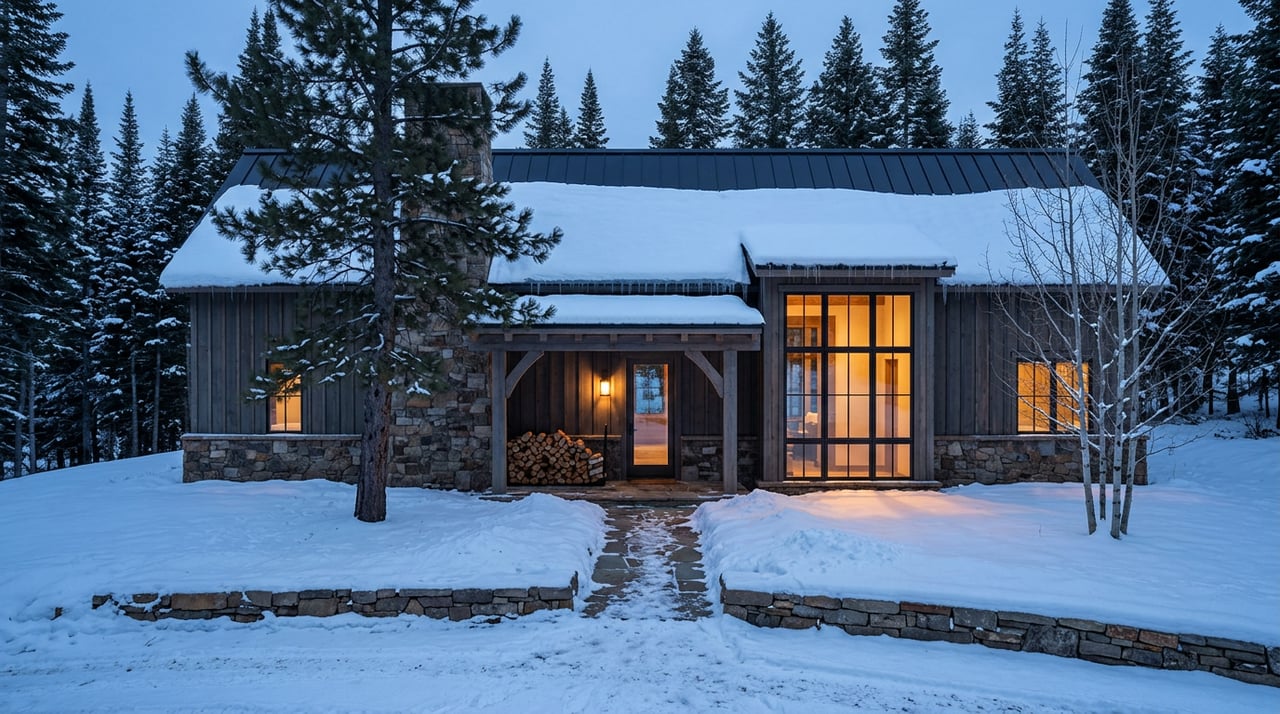
Often, that means leading with a strong exterior, a great room image, a deck or view connection, and one image that explains arrival or outdoor use. The buyer should understand both the cabin and the lifestyle within seconds.
A clean video walkthrough can help remote buyers feel grounded in the floor plan and flow of the home. When available, a virtual tour can add another layer of clarity.
This is especially helpful for second-home and relocation buyers who may not be able to visit immediately. A consistent package of accurate photos, strong listing copy, video, and a clear explanation of the setting gives them confidence to take the next step.
There is a difference between strong presentation and over-staging. Research found that many buyers felt disappointed when homes looked different in person than they expected from heavily styled images.
That is a useful reminder in Tahoe. Your marketing should enhance the home, not exaggerate room size, views, condition, or proximity to amenities. Trust grows when the in-person experience matches the online story.
The best pre-listing decisions usually come from understanding how a buyer will experience your home. In North Lake Tahoe, that means balancing charm with clarity, and character with practical upkeep.
If you prepare your cabin well, buyers can focus on what matters most: how it feels to spend time there. A clean presentation, smart cosmetic updates, visible maintenance, and a strong digital launch can help your property compete more effectively in a market where setting and lifestyle shape every showing.
If you are preparing to sell in North or West Lake Tahoe and want a thoughtful plan for positioning your property, connect with Lindsay Buchanan for tailored guidance on pricing, presentation, and marketing.
Stay up to date on the latest real estate trends.
As your trusted real estate expert, I’m here to help you navigate property transactions with ease. I focus on understanding your unique needs to ensure a smooth buying or selling experience, always striving to achieve the best results for you.